By Ricardo Rascon, Director of Marketing at Tetakawi · Updated
Key Takeaway
Every shelter company in Mexico promises faster startup, lower costs, and reduced risk. Those advantages are the price of entry. The advantage that actually reshapes a manufacturer's P&L over five years is operational predictability: knowing that infrastructure, workforce, logistics, and compliance are controlled inside a single environment rather than coordinated across a vendor stack. That level of predictability requires a Manufacturing Campus where the benefits of scale, scope, and learning compound across every tenant, all managed through one U.S.-based contract.
What is a shelter company in Mexico?
A shelter company in Mexico means one thing: you control the manufacturing; someone else handles the Mexico paperwork.
Your equipment. Your workforce. Your quality system. Your intellectual property. Your engineers on the floor every morning deciding what gets made and how. The shelter is the legal and administrative backbone behind your operation: employer of record, importer of record, manufacturer of record. Mexican labor law, customs, and tax obligations file under an existing local entity instead of one you spent a year building from scratch.
Manufacturers entering Mexico have three paths. The differences are not subtle:
Shelter
You are the manufacturer.
Your equipment, workforce, process, and IP. The shelter company handles legal, tax, and compliance. Production in to .
Standalone (Greenfield)
You are everything.
Your entity, your IMMEX permit, your legal team, your compliance staff, your customs broker. Full control and full liability. to to first production.
Contract Manufacturing
You are a customer.
A third party produces finished goods. You buy the output. No control over production, quality systems, or workforce.
Under Mexico's IMMEX program and the safe harbor transfer pricing rules in Mexico's Income Tax Law, the shelter structure is designed to keep the foreign parent outside Mexican permanent establishment status, provided the shelter complies with applicable transfer pricing and reporting requirements. Goods manufactured under the shelter can also qualify for preferential tariff treatment under USMCA when rules of origin are met.
If you want control of your operation but do not want to spend 8 to 12 months incorporating a Mexican entity and hiring and building a HR, customs, payroll, and compliance team from scratch, a shelter company is the path. For a side-by-side comparison, see Contract manufacturing vs. shelter program in Mexico. For a deeper look at shelter services vs. standalone manufacturing in Mexico, this guide breaks down the operational and financial trade-offs.
Approximately 25 to 30 shelter service providers operate in Mexico today, advertising broadly similar service menus. Most can deliver the six table-stakes advantages competently. The harder question is which model delivers operational predictability in year three, year five, and beyond, when the complexity of running a Mexico operation becomes the real variable.
For a deeper look at the legal, IMMEX, and compliance mechanics, see what a shelter service provider does in Mexico. This post is about the advantages: who actually delivers them, and why the gap between shelter companies is wider than any marketing page will tell you.
What are the advantages of a shelter company in Mexico?
The advantages of shelter services in Mexico fall into two tiers. The first is what every shelter company lists on its website: the six operational benefits that make the model work. The second tier is what separates a competent shelter from one that delivers operational predictability over the long term, and it requires something beyond a service agreement: owned real estate, shared infrastructure, and decades of regional operating experience inside an integrated Manufacturing Campus.
Every shelter company in Mexico lists some version of the six benefits below. The marketing pages rarely mention that shelters deliver them to very different degrees. A shelter company with two recruiters can claim “higher retention.” A shelter operating an integrated campus with on-site recruiting teams, wage-benchmarking data from 60+ clients, and a medical clinic that reduces absenteeism delivers it as an operational outcome, not a line item on a proposal. The difference between those two versions is the difference between a service agreement and operational predictability.
Faster startup
30 to 90 days vs. 8 to 12 months standalone
Reduced risk
Shelter carries employment, tax, and import liability
Lower costs
No entity formation; PE risk mitigated under IMMEX
Regulatory compliance
Labor, tax, customs, and EHS managed end to end
Higher employee retention
Local recruiting infrastructure and wage benchmarking
Improved productivity
Plant leadership focuses on throughput, not administration
Faster startup
A shelter company already holds the IMMEX Certification, customs credentials, and local permits. A foreign manufacturer plugs into that framework instead of building one. On a pre-permitted Manufacturing Campus with existing infrastructure, some manufacturers have been operational in as little as 30 days. That speed advantage matters most when a customer commitment or supply-chain disruption has put a hard deadline on first production. Every week spent on entity formation and permit applications is a week your competitor with an existing Mexico operation is shipping.
Reduced risk
The shelter assumes legal responsibility for employment, import/export, tax filings, and regulatory reporting. The foreign parent keeps control of production, quality, and IP. What that means operationally: if a labor audit surfaces an IMSS discrepancy, if a customs declaration triggers a review, or if a tax filing deadline shifts mid-year, the shelter's compliance team absorbs the execution burden. Your plant manager stays focused on the line, not on a conference call with outside counsel.
Lower costs
Operating under a shelter eliminates the cost of forming a Mexican legal entity and is structured to mitigate permanent establishment in Mexico risk. A shelter company in Mexico also spreads back-office services (accounting, EHS, customs, HR) across many tenant manufacturers. More tenants, lower cost per service. The cost structure gets more favorable as campus density increases, which is why an integrated campus delivers per-tenant economics that a location agnostic shelter provider cannot match.
Regulatory compliance
Mexico's labor, tax, customs, social security, and environmental regulations are numerous and granular. Miss the IMSS employee registration window on hiring day and the exposure includes fines, omitted contributions, surcharges, and potentially significant additional assessments. A shelter service provider handles compliance across all regimes: federal labor law, SAT tax rules, customs declarations, INFONAVIT, environmental permitting, and immigration for expat staff. The question is not whether your team can learn Mexican regulatory compliance. It is whether dedicating internal resources to that function is the best use of the management bandwidth you are deploying to Mexico.
Higher employee retention
Labor availability and retention are the two hardest variables in Mexico manufacturing. A shelter company in Mexico brings local recruiting infrastructure, wage benchmarking against neighboring facilities, and retention programs tuned to the specific labor market. In a tight labor region, the difference between a line at full staffing and one bleeding 5 percent per month to a competitor up the road comes down to who knows the local workforce better.
Improved productivity
When the shelter handles HR, payroll, import/export, EHS, and compliance, plant leadership stops splitting time between administration and throughput. The recovered hours go into yield, delivery, and customer commitments, which is the operational capacity that justified the investment in a Mexico operation in the first place.
Where table-stakes end and compounding advantages begin
Scan the top shelter websites in Mexico, and the six benefits appear on every one of them, often in the same order. They reflect what shelter services in Mexico can plausibly promise. But there is a ceiling on what any shelter can deliver when it coordinates third-party services rather than controlling the operating environment directly. The six benefits get a manufacturer into Mexico. They do not, by themselves, produce a plant that runs better in year three than it did in year one.
The advantages that actually move a manufacturer's P&L over five or ten years show up only when a shelter operator stops coordinating third-party services and starts running an integrated Manufacturing Campus. That is where shelter manufacturing in Mexico shifts from an administrative convenience to a long-term operating advantage.
Coordinated Services Model
Third-party vendors assembled per project. Service quality varies by location and provider. No owned infrastructure. The six table-stakes advantages are delivered to varying standards. The manufacturer's experience depends on the weakest link in the vendor chain.
Controlled Environment (Manufacturing Campus)
Owned real estate. Centralized systems. On-site teams. Shared infrastructure. The six table-stakes plus compounding advantages from concentrated scale, integrated scope, and institutional learning. The manufacturer's experience is standardized and predictable from day one through year ten.
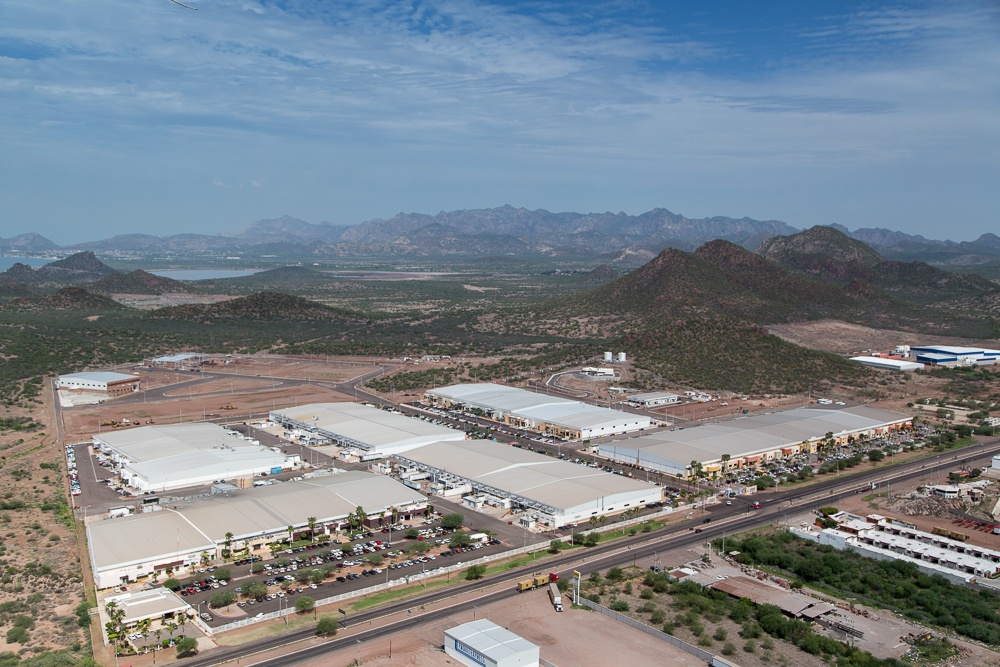
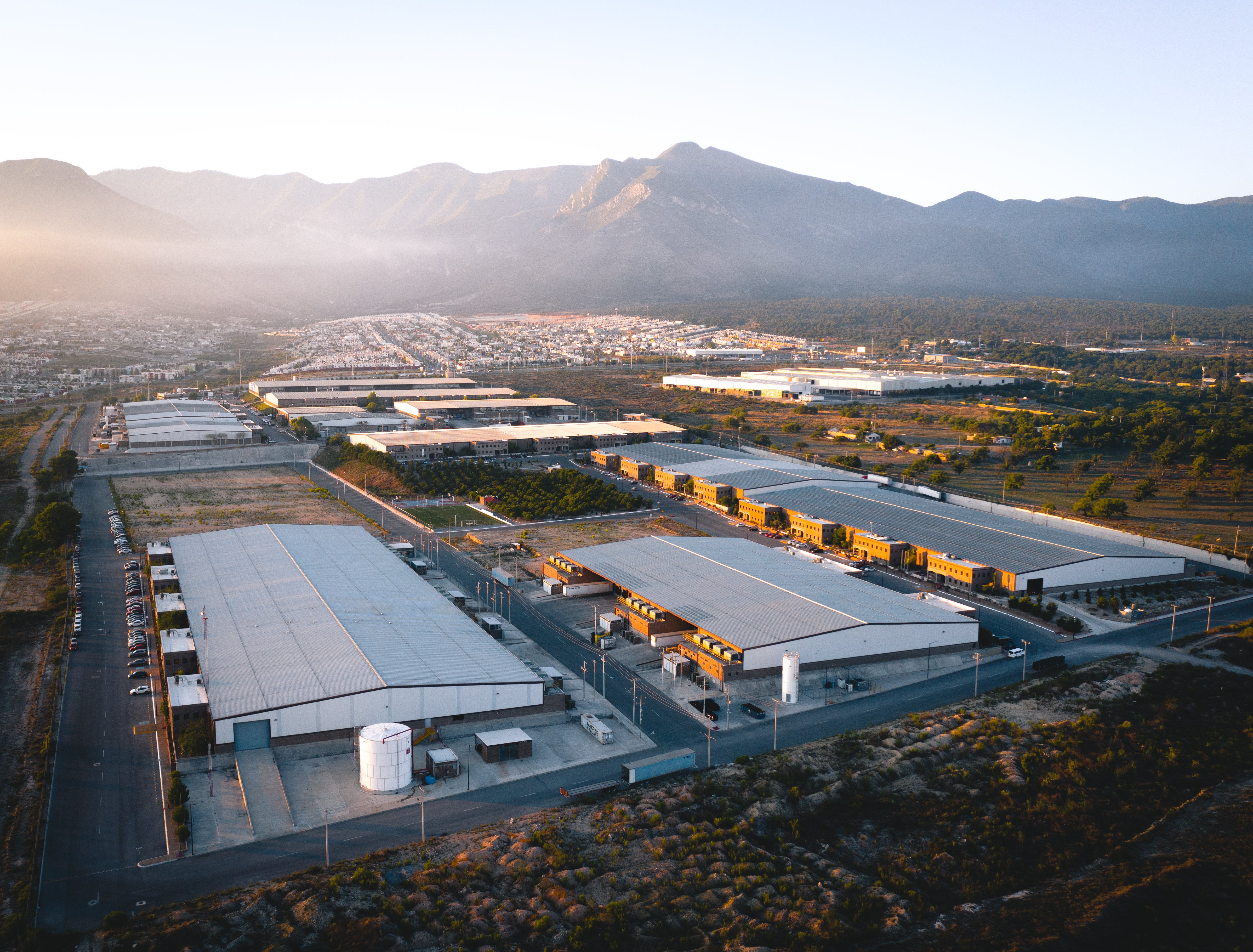
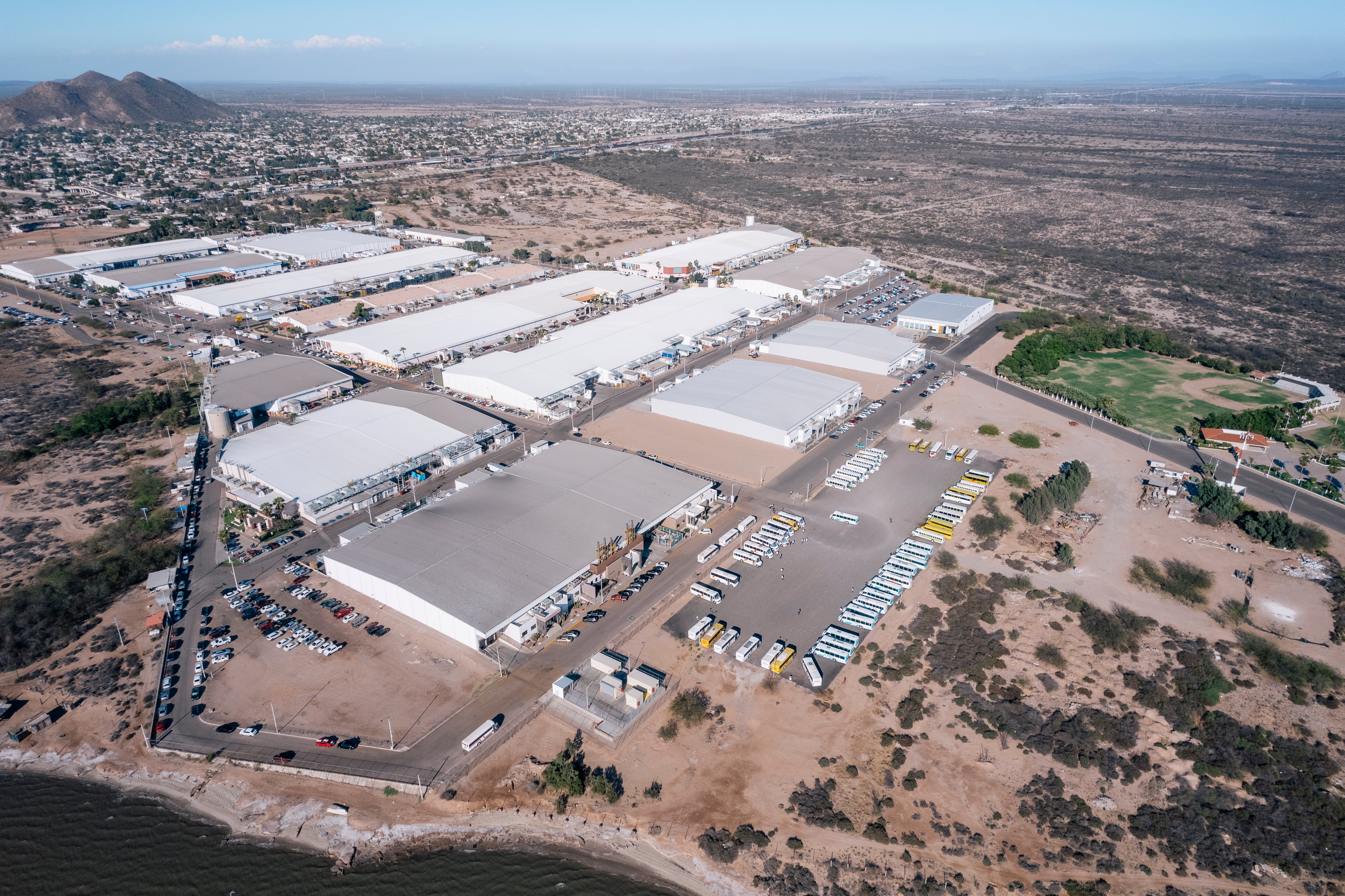
A Manufacturing Campus is a safe, secure, pre-permitted site where the shelter company owns the real estate, builds and maintains the infrastructure, and employs the on-site support teams. Systems are centralized across every campus in the network so that what works in one location gets applied to all of them. When those pieces are in place, three forces take over: scale compounds through shared services, scope gives small tenants big-company infrastructure, and learning turns four decades of regional operating experience into a playbook every new tenant inherits on move-in day.
Economies of scale: what concentration buys that coverage never will
Scale in Mexico manufacturing is not how many cities a shelter covers. It is the depth of infrastructure and operational control in the places where clients actually produce. Tetakawi operates five Manufacturing Campuses across Sonora, Sinaloa, and Coahuila. The systems (HR, payroll, customs, EHS, purchasing, accounting) are centralized across all of them, so every campus benefits from the same procurement contracts, the same compliance frameworks, and the same process improvements. Each campus also has local, on-site teams who know that specific labor market, that local customs office, and that region's workforce dynamics. The result: 60+ manufacturers sharing the same operational backbone, which is what allows procurement contracts, compliance frameworks, and workforce programs to scale in ways that no single-tenant operation can replicate.
The choice of region matters as much as the choice of model. Mexico's most heavily concentrated industrial corridors offer proximity to OEM supply chains and established logistics, but that concentration comes at a cost: escalating wages, high turnover, and intense competition for the same talent pool. Tetakawi's campuses operate in regions where labor markets are deep enough to support large-scale manufacturing but stable enough that workforce costs remain predictable year over year. That is a deliberate trade: proximity to the border, competitive logistics, and a labor market that does not reprice every quarter.
Campus-level scale is what lets Tetakawi negotiate industrial gas, uniforms, and safety equipment at large-buyer rates on behalf of a 50-person tenant who would never get those rates alone. It justifies a dedicated bus fleet for worker transportation, an on-site medical clinic that reduces absenteeism, a 24/7 perimeter-security operation, and an EHS program that keeps every line audit-ready. No single tenant pencils out for any of that alone. Sixty manufacturers sharing five campuses do. The infrastructure is in place before the tenant arrives, and it stays in place regardless of what happens in the broader market.
Economies of scope: how a 50-person tenant gets tier-1 infrastructure
A standalone operation in Mexico, regardless of size, has to decide which infrastructure to build and which to go without. A 24/7 security operations center, a permit-in-hand EHS program, an on-site medical clinic, a bus fleet that solves worker transportation. Each one is a capital decision and an ongoing cost. Most standalone operators fund what they can and accept gaps everywhere else.
On a Manufacturing Campus, those are not tenant decisions. They are campus decisions. Tetakawi owns the real estate and has invested in the infrastructure over four decades. Every tenant, whether they employ 50 people or 1,000, operates inside the same perimeter security, the same medical clinic, the same utilities redundancy, the same EHS framework, and the same bus fleet. The campus built it. Every manufacturer benefits from it. The model is structured so no tenant subsidizes another; the infrastructure exists because the campus operator made the long-term capital commitment. A service-based shelter company that coordinates third-party vendors without owning the underlying infrastructure operates under a fundamentally different cost structure and a different level of control.
The administrative side works the same way.
Standalone Operation
5 to 10 separate vendors:
Accountant · Customs broker · Labor attorney · Staffing agency · EHS consultant · Facilities manager · Payroll provider · Tax advisor
Manufacturing Campus
One U.S.-based contract. One point of contact.
HR · Payroll · Customs (incl. U.S. cross-dock) · Purchasing · EHS · Accounting · Facilities . All under one agreement, one accountable team, one U.S.-based contract.
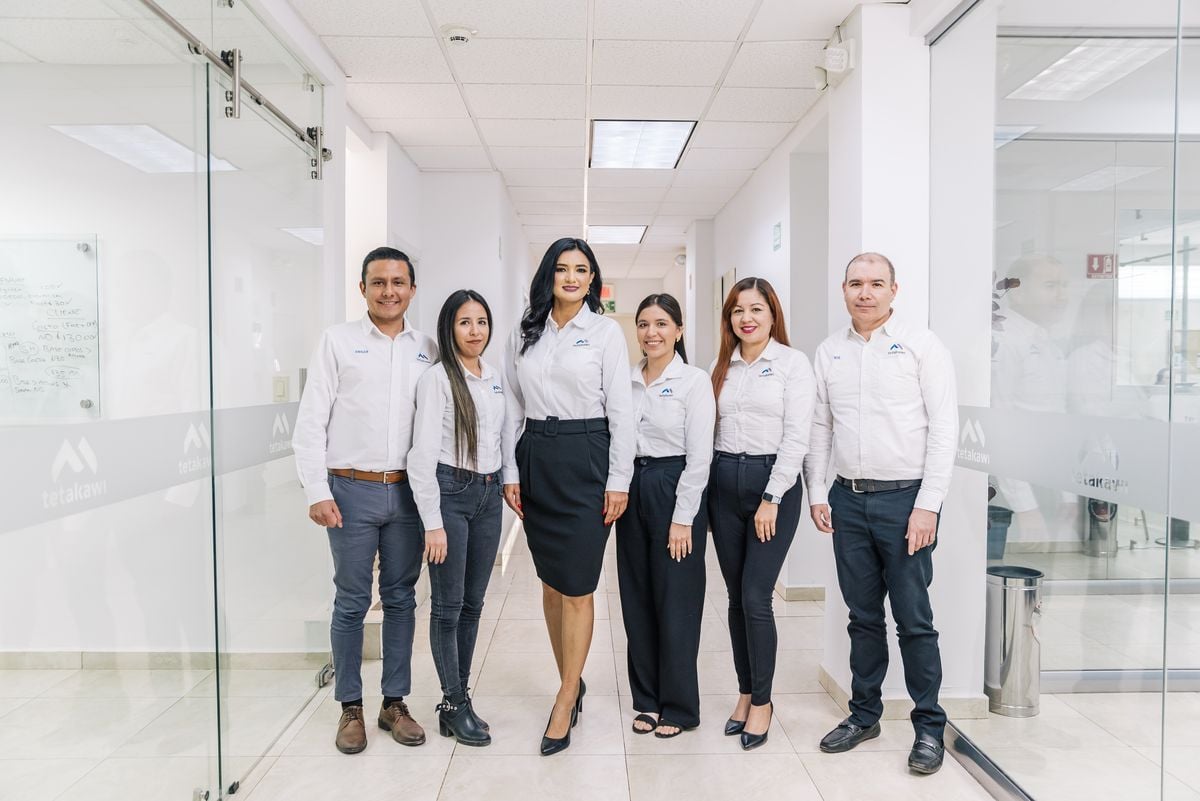
The shelter becomes employer of record, importer of record, and manufacturer of record. One organization, one invoice, one accountable point of contact based in the United States, operating in your time zone and your language. For a VP of Operations running a plant from the U.S., that single relationship replaces a multi-vendor coordination exercise that consumes management bandwidth better spent on production.
There is a financial angle here that most buyers miss until they compare proposals side by side. Many shelter providers require clients to front anticipated costs (payroll, local purchases, operational expenses) before they are incurred. An integrated campus operator can absorb those costs and invoice the client afterward, effectively extending a credit window that keeps your capital working in production instead of parked in a Mexican prepayment account.
The financial advantage of the campus model is as much about what the manufacturer does not have to build, staff, or coordinate as it is about what the shelter provides. Infrastructure, vendor management, and administrative overhead are absorbed into the campus platform before the first shipment crosses the border.
Economies of learning: entering Mexico with 40 years of someone else's mistakes
Every foreign manufacturer launching in Mexico makes mistakes. The only question is whose mistakes they are. Under a standalone model, every wrong assumption about wages, permits, turnover, logistics, or customs belongs to the new operator and gets paid for out of the first two years of margin. Under a veteran shelter company, those mistakes were made by someone else a decade or two earlier and absorbed into the operating playbook the new tenant inherits on move-in day.
Tetakawi has been operating in the same regions of Mexico for . NAFTA came and went. USMCA replaced it. Two labor reforms reshaped the workforce rules. Three political administrations changed the customs regime. The 2020 supply-chain shock rewired global sourcing. Through all of it, the labor market in each region kept tightening and loosening on a local cycle no outsider reads correctly on the first attempt. Client relationships averaging tell you what that experience is worth: companies stay because the learning curve keeps working in their favor long after startup is over.
What does that institutional knowledge look like in practice? When Mexico's 2019 labor reform eliminated protection contracts and required legitimate union elections, Tetakawi's campus teams had already adapted workforce programs and collective bargaining processes before most foreign operators understood the implications. When customs enforcement priorities shifted under the current administration, campus-level compliance teams updated import documentation protocols across all five sites within weeks. When a regional economic downturn softened one labor market while tightening another, workforce programs were recalibrated based on decades of data about seasonal hiring patterns in each specific city.
The regional layer is where the advantage cuts deepest. Labor market dynamics in Sonora do not look like Sinaloa or Coahuila. A veteran operator in Hermosillo or Saltillo knows which technical schools produce which skills, which months turnover spikes, which benefits actually move retention in that specific town, and how the local customs office prefers paperwork filed. A shelter provider without that regional depth learns those things one mistake at a time, and the cost of each lesson falls on the client.
Case Study: Consolidated Precision Products
Consolidated Precision Products, a global aerospace manufacturer, had operated in Mexico both ways: independently in Ensenada and within a Tetakawi Manufacturing Campus in Guaymas. When CPP needed scalable capacity to absorb U.S. labor shortages and growing customer demand, they already knew the trade-offs firsthand.
They chose Tetakawi's newest campus in Mazatlán. The decision came down to regional labor depth fed by local technical schools, proven workforce retention, and an integrated operating backbone that simplifies day-to-day execution from procurement to customs.
“Tetakawi has all of the subject matter experts in every piece of that. So it doesn't matter if we're talking about shipping or sourcing components, consumable items, or the labor itself, training the labor, tax implications — you name it, Tetakawi's got that experience.”
— Jeremy Main, Senior Vice President, Consolidated Precision Products
Of CPP's manufacturing operations across the United States, Europe, and Mexico, the Mazatlán site now leads the company in employee retention. Watch the full CPP × Tetakawi Mazatlán expansion story on YouTube.
A manufacturer entering Mexico through a veteran campus operator does not arrive as a newcomer. They arrive with the operating judgment of an organization that has already navigated four decades of Mexico's labor, tax, and trade cycles. That institutional knowledge is embedded in the systems, the teams, and the playbooks that support every tenant from day one. It is the reason a campus-based shelter operation can deliver predictable outcomes in a country where most newcomers spend their first two years learning what they did not know.
How to select a shelter company in Mexico
Approximately 25 to 30 Mexico shelter companies operate today. They fall into six distinct operating models:
- Manufacturing Campuses
- The most integrated model. The provider owns the real estate, employs the support teams, and runs industrial space, workforce, logistics, and compliance as a single platform. Economies of scale, scope, and learning only compound here.
- Full-service shelter companies
- Broad administrative and compliance support, but no owned real estate. You manage at least two relationships: the shelter for services and a landlord for your building.
- Start-up shelter companies
- Transitional arrangements. The shelter handles compliance while you build internal capability, then steps aside. Common among large multinationals planning a standalone entity.
- Contract manufacturing with shelter services
- A third party runs production. You do not control the floor, the workforce, or the quality system. Shelter services are secondary to the contract manufacturing business.
- Real estate companies with shelter services
- Industrial park landlords that layer administrative support on top of leases. Shelter depth varies. Some subcontract it entirely.
- À la carte shelter providers
- Modular services. You pick what you need and become the integrator across vendors. Appealing on paper, expensive in coordination overhead.
Any of these shelter services in Mexico can deliver the six table-stakes advantages if run by competent people. Only the Manufacturing Campus model delivers all three compounding advantages at scale, because it requires owned infrastructure, centralized systems, and decades of regional operating depth. Five questions separate one from the other:
1. Do you own the real estate and infrastructure my operation will run inside?
A shelter that owns the buildings, the roads, the utilities, and the security perimeter can make long-term capital investments in that environment. A shelter that leases or coordinates third-party space cannot. This is the single clearest indicator of whether the shelter controls the operating environment or simply manages it.
2. What infrastructure exists on-site before I arrive — transportation, medical, security, EHS — and who funds it?
On a Manufacturing Campus, the bus fleet, the medical clinic, the 24/7 security operation, and the EHS program are already in place and funded by the campus operator. If the answer is “we can arrange those services,” the cost and coordination fall on you.
3. Does one U.S.-based contract cover my entire operation — HR, customs, facilities, accounting, EHS — or will I manage multiple vendor relationships?
The difference between one integrated contract and a multi-vendor coordination exercise defines how much management bandwidth the Mexico operation will consume. One contract means one accountable partner. Multiple vendors mean you become the integrator.
4. How many manufacturers operate under your platform today, and what is the average client tenure?
Density drives cost efficiency: more co-located manufacturers, lower unit cost for shared services. Tenure signals whether those cost efficiencies translate to operational quality that keeps companies there year after year.
5. Will my plant run the same way in year five as it does in year one?
This is the question that separates a startup solution from a long-term operating partner. The answer depends on whether the shelter controls the variables that determine daily operations or whether those variables shift every time a vendor contract turns over or a labor market tightens.
Tour a Manufacturing Campus
See how infrastructure, workforce, logistics, and compliance come together inside a single controlled environment. One contract. One U.S.-based point of contact. Predictable operations from day one.
Schedule a VisitRelated reading: 6 Types of Shelter Companies in Mexico · What is the IMMEX program? · Solving the Labor Shortage (ebook) · Getting Started with Shelter Services in Mexico
Frequently Asked Questions
What is the difference between a shelter company and a Manufacturing Campus?
A shelter company is the legal and administrative framework that lets a foreign manufacturer operate in Mexico without forming a local entity. A Manufacturing Campus is the physical, master-planned site where multiple manufacturers share infrastructure, workforce services, and safety protocols. A Manufacturing Campus can operate under a shelter framework. Most shelter providers, however, do not operate owned Manufacturing Campuses.
How long does it take to start manufacturing in Mexico with a shelter company?
Most shelter-based startups reach first production within 30 to 90 days because the shelter already holds the IMMEX Certification and local permits. On a pre-permitted Manufacturing Campus, some manufacturers have been operational in as little as 30 days. A standalone entity typically requires 8 to 12 months before production begins.
Does the shelter model work for regulated industries like medical devices and aerospace?
Yes. Regulated industries are among the most common users of the shelter model because the shelter's experience supporting regulated manufacturers, customs controls, and compliance execution reduces the administrative and regulatory burden on the foreign parent. Aerospace, medical device, and automotive manufacturers make up a significant share of active tenants on established Manufacturing Campuses.
How much overhead can a Manufacturing Campus shelter save versus a standalone operation?
Tetakawi's integrated campus model reduces administrative overhead by roughly 30 to 35 percent versus a comparably sized standalone operation, based on Tetakawi operational data. The savings come from shared services (accounting, HR, EHS, customs, facilities), consolidated purchasing, reduced entity-formation costs, and lower PE-related risk for the foreign parent.
What happens if I outgrow the shelter?
It is a fair question, and one worth asking any shelter company in Mexico before signing. In practice, most manufacturers scale within the model rather than beyond it. A well-designed Manufacturing Campus is master-planned for expansion, so tenants add production lines, square footage, or shifts without disruption. Tetakawi's average client tenure of over 14 years reflects the fact that manufacturers who choose the campus model tend to keep choosing it.
Is a shelter company the same as contract manufacturing?
No. Under a shelter, you own the production, the equipment, the processes, and the people running your line. Under contract manufacturing, a third party produces on your behalf and you purchase the finished goods. The shelter model is for manufacturers who want to operate in Mexico. Contract manufacturing is for buyers who want to source from Mexico. See Contract manufacturing vs. shelter program for the full comparison.
Thinking about manufacturing in Mexico? Download this ebook and learn about the advantages of the Shelter Program.