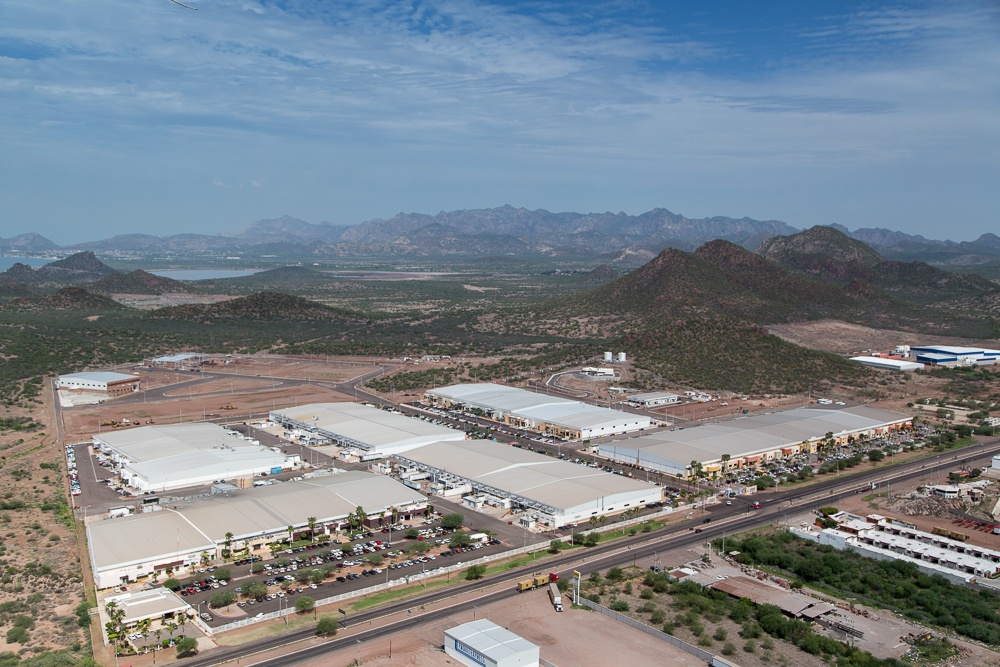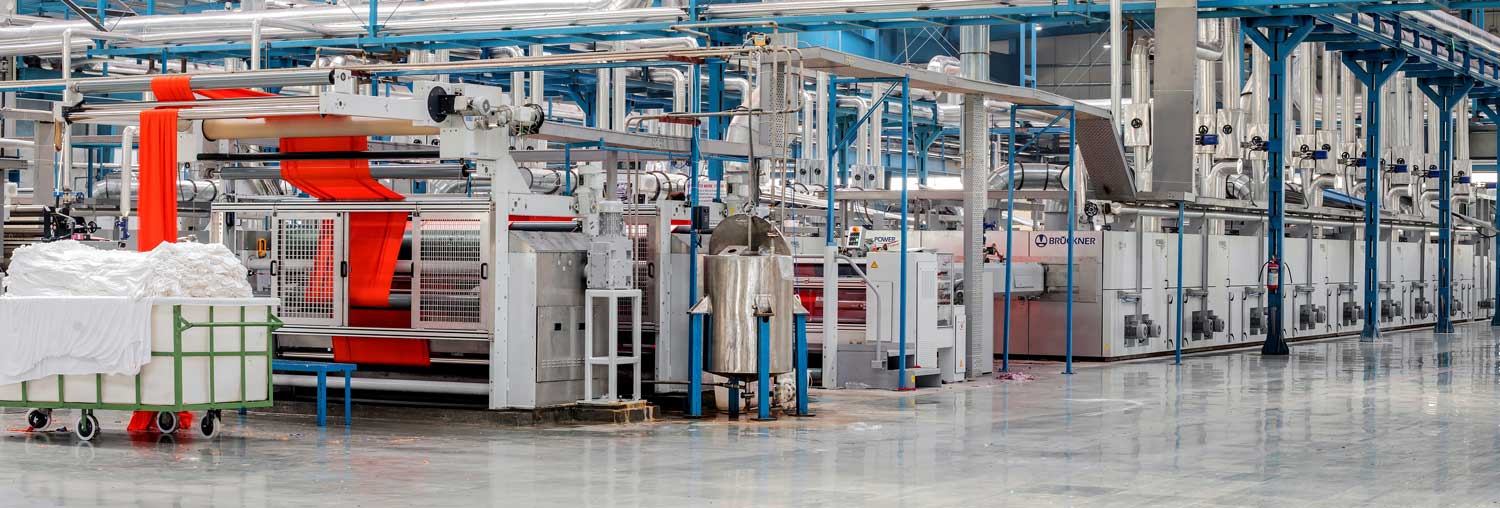
Every year, hundreds of manufacturers evaluate whether to set up production in Mexico. The question is rarely whether Mexico makes sense. Labor costs, proximity to U.S. markets, and trade agreement benefits make the case clear. The real question is how to do it without burning 9 to 12 months on permits, compliance, and vendor coordination before a single product ships.
Shelter services are one of five entry models covered in our complete guide to manufacturing in Mexico.
That is the problem shelter services in Mexico were designed to solve. A shelter company in Mexico provides the legal entity, regulatory infrastructure, and operational support that lets a foreign manufacturer begin production without forming its own subsidiary. The manufacturer retains full control of production, quality, and intellectual property. The shelter handles everything around that production: IMMEX permits, customs coordination, labor administration, environmental compliance, fiscal reporting, and the hundreds of regulatory obligations that come with operating in Mexico.
This guide covers how shelter services work, what they cost, how traditional shelter arrangements compare to the Manufacturing Campus Model, how to evaluate providers, and how the model has evolved over four decades. Whether you are exploring Mexico for the first time or comparing shelter companies to make a final decision, this is the resource we wish had existed when Tetakawi started supporting manufacturers over 40 years ago.
What Are Shelter Services in Mexico?
A shelter service provider in Mexico acts as the legal employer and regulatory entity on behalf of a foreign manufacturer. Under Mexico’s IMMEX program (the successor to the original maquiladora program), the shelter holds the permits that allow duty-free temporary import of raw materials and equipment. The shelter employs the workforce, manages import/export operations, and handles all compliance obligations. The foreign manufacturer provides the equipment, raw materials, production processes, and technical expertise. For a full explanation of the maquiladora model that underpins this structure — including its legal framework, tax treatment, and how it operates in practice — see our dedicated guide.
This structure creates three immediate benefits for the manufacturer. First, it eliminates the need to form a Mexican legal entity, saving months of legal work and significant upfront costs. Second, it provides permanent establishment protection under Mexican tax law. Since Mexico’s 2020 tax reform, foreign companies operating through a compliant shelter avoid PE status indefinitely, as long as the shelter meets Safe Harbor profitability thresholds and files the required annual information return (DIEMSE). This replaced the older fixed-term exemption. Third, it compresses the execution timeline significantly. Once a contract is signed, a Manufacturing Campus with existing facilities and permits can have a manufacturer operational in 30 to 60 days, compared to 8 to 12 months for a standalone setup. The due diligence and evaluation process that precedes contract signing typically runs 6 to 8 weeks, though every company’s situation is different.
The model is not new. Shelter services have been part of Mexico’s manufacturing landscape for decades, evolving alongside the maquiladora program that began in the 1960s. What has changed is the scope. The original shelter model handled customs paperwork and basic payroll. Today’s leading operators manage the entire operating environment that surrounds production: industrial facilities, workforce recruitment and retention, logistics and customs, environmental health and safety, accounting, and supplier compliance.
How the Legal Structure Works
Under Mexican law, the shelter company is the employer of record and the holder of the IMMEX permit. The foreign manufacturer enters into a service agreement with the shelter, which defines the scope of services, fee structure, and each party’s responsibilities. The manufacturer maintains ownership of its raw materials, work-in-process, equipment, finished goods, and intellectual property throughout the engagement.
The permanent establishment protection is one of the most significant advantages. Because the shelter company is the operating entity in Mexico (not the foreign manufacturer), the manufacturer generally avoids triggering a taxable presence. Under the current framework (following Mexico’s 2020 tax reform and the elimination of Advance Pricing Agreements in 2024), foreign companies operating through a compliant shelter avoid permanent establishment indefinitely by meeting Safe Harbor profitability thresholds. The shelter must calculate a minimum return of 6.9% on assets or 6.5% on costs and expenses (whichever is higher) and file the annual DIEMSE information return. As long as these requirements are met, the manufacturer does not need to register as a taxpayer in Mexico. This replaced an older system that had a fixed-term exemption and allowed transfer pricing agreements as an alternative compliance mechanism.
This legal structure also simplifies labor relations. The shelter company, as the employer of record, manages all obligations under Mexico’s Federal Labor Law: social security (IMSS), housing fund (INFONAVIT), retirement savings (SAR), profit sharing (PTU), and the post-2019 union legitimization requirements. The manufacturer directs the daily work of its production team, but the administrative and legal burden of employment sits with the shelter.
Types of Shelter Companies in Mexico
Not all shelter providers offer the same level of service. Understanding the differences helps you match the right model to your operational needs, budget, and risk tolerance. For a detailed breakdown of all six provider types and how to tell them apart, see our guide to the six types of shelter companies in Mexico.
Administrative Shelter Providers
These companies handle the regulatory basics: IMMEX permit, payroll processing, tax filings, and standard customs documentation. The manufacturer is responsible for finding its own facility, recruiting its own workforce, managing its own vendors, and coordinating its own logistics. This model works for companies that already have deep Mexico experience and in-house capabilities for everything except the legal entity structure. It is the most affordable option, but it leaves the most operational burden on the manufacturer.
Full-Service Shelter Companies
Full-service providers expand beyond administration to include facility sourcing, workforce recruitment, customs brokerage, and compliance management. They typically operate as intermediaries, coordinating a network of third-party vendors and service providers on the manufacturer’s behalf. The manufacturer gets a single point of contact, but the actual service delivery depends on a chain of independent providers. When things go smoothly, coordination works. When problems arise, the manufacturer sometimes finds itself caught between vendors who do not communicate with each other.
The Manufacturing Campus Model
The most comprehensive approach integrates all shelter services under one operator who also owns and manages the industrial facilities, employs dedicated workforce and compliance teams, operates internal customs and logistics capabilities, and handles all administrative functions. This is what industry operators refer to as the Manufacturing Campus Model.
Rather than coordinating vendors, a campus integrates four operational pillars under a single provider. The campus operator owns the buildings (and can modify or expand them), employs the HR and compliance teams directly (not through staffing agencies), manages Import and Export in-house, and maintains on-site EHS and accounting teams.
This is not a concept invented for marketing. It is what happens after an operator supports hundreds of manufacturers over 40 years and learns where the failure points actually are. Those failure points are almost always at the seams between disconnected providers: the customs broker who does not communicate with the HR team about new headcount affecting import volumes, the landlord who takes six months to approve a building modification, the staffing agency that cannot flex recruitment when a major contract lands. The Manufacturing Campus Model exists because those seams cost manufacturers money, time, and production capacity.
Consider a typical scenario with a traditional shelter. You sign a lease with an industrial park developer for the building. You contract a shelter company for IMMEX and labor administration. You hire a separate staffing agency to handle recruiting. You engage a customs brokerage for import and export operations. You retain an environmental compliance consultant. Each has its own contract, its own billing cycle, its own escalation path. When something goes wrong, you are the one coordinating five vendors who have no relationship with each other. The Manufacturing Campus Model collapses that into a single operational partnership. One partner, one location, one point of accountability across all four pillars.
A campus network also creates something a traditional shelter cannot: a community of manufacturers connected across multiple locations. When an operator runs five Manufacturing Campuses across different regions of Mexico, supporting 60 or more active manufacturers in total, every individual campus benefits from network-wide scale. Shared transportation routes and consolidated shipping reduce per-unit logistics costs at each location. Shared security, utilities, and maintenance reduce per-square-foot overhead within each campus. Procurement leverage across the full network drives better vendor terms than any single site could negotiate alone. And manufacturers entering Mexico for the first time join a network of experienced operators, creating a knowledge-transfer dynamic that no standalone arrangement or single-site shelter can match. You enter small, at one location, but you are immediately part of a larger operating network with economies of scale and scope that took decades to build.
The Four Pillars of a Shelter Operation
Every manufacturer operating in Mexico needs these four capabilities, whether provided by the shelter, by third parties, or by its own internal teams. Understanding what each pillar involves helps you evaluate what you are actually getting when a shelter company quotes you a fee.
1. Industrial Space
Production-ready buildings with appropriate utility infrastructure: adequate electrical capacity for your equipment, water, compressed air, natural gas connections, proper ceiling heights, loading docks configured for your logistics profile, and room to grow. In a Manufacturing Campus, the operator owns the buildings and can modify them to fit specific production requirements. Available campus space typically means the facility is move-in ready, with execution timelines of 30 to 60 days from signed agreement to operational production. The due diligence process that precedes contract signing varies by company but typically runs 6 to 8 weeks. Campus operators also distribute infrastructure costs across multiple tenants, so shared security, shared utilities metering, and shared maintenance teams reduce per-square-foot overhead compared to standalone industrial leases. Start with 35,000 square feet and expand within the same campus as production scales, without relocating or renegotiating permits.
What to ask about: Is the facility owned or leased by the shelter? What is the expansion capacity in the same location? How long does a building modification take from request to completion?
2. Workforce
Recruiting, onboarding, HR administration, labor relations, employee transportation, benefits management, and retention programs. Mexico’s manufacturing workforce is skilled and cost-effective, but managing it requires deep local knowledge. Labor law in Mexico involves mandatory profit sharing (PTU), Christmas bonuses (aguinaldo), vacation premiums, social security (IMSS), housing fund contributions (INFONAVIT), and the post-2019 union reforms that added legitimization voting requirements. Each of these creates compliance obligations that vary by state and industry.
A campus-model operator handles all of this directly, including employee transportation routes through shared infrastructure. The workforce pillar also covers retention programs, which matter because turnover in Mexico’s manufacturing sector can run 5% to 8% monthly in competitive labor markets if not managed actively. Operators with deep candidate databases (built over decades of hiring in a region) can replace departures faster and screen more effectively than manufacturers trying to recruit independently.
3. Logistics and Import/Export
IMMEX permit management, customs declaration preparation, broker coordination or in-house customs operations, Anexo 24 inventory reconciliation, audit preparation, C-TPAT and OEA certification maintenance, and documentation control for every shipment crossing the border. This is where compliance risk is highest and where mistakes are most expensive.
Errors in tariff classification, country-of-origin determination, or temporary import tracking can result in fines, IMMEX permit suspension, or cargo holds at the border that shut down production lines. Leading shelter operators maintain red-light inspection rates below 3% at ports of entry through disciplined documentation, certified shipper programs, and proactive audit cycles that catch discrepancies before customs authorities do. In a campus environment, multiple manufacturers sharing transportation routes and consolidated shipments can significantly reduce per-unit logistics costs compared to individual arrangements with third-party carriers.
For manufacturers whose products qualify under USMCA rules of origin, the logistics pillar includes qualification documentation that ensures duty-free treatment on exports to the U.S. and Canada. Across Tetakawi’s five Manufacturing Campuses, approximately 85% of client exports qualify under USMCA, a result of systematic classification and documentation practices.
4. Compliance and Administration
Environmental health and safety (EHS), fiscal compliance, accounting and payment controls, vendor qualification, supplier compliance monitoring, and regulatory permits. Mexico’s EHS framework is enforced by multiple agencies at the municipal, state, and federal level. The rules are dense, interpretation varies by jurisdiction, and the consequences of non-compliance range from fines to operational shutdown.
A campus-model provider maintains dedicated on-site EHS teams, standardized processes aligned to both Mexican regulations and client-specific requirements, and established relationships with regulatory authorities. The accounting function covers VAT recovery (a process that can take months if mismanaged), payable controls with electronic approval workflows, and the detailed reporting that gives remote executives visibility into their Mexico operation’s financial performance.
What Do Shelter Services in Mexico Cost?
Shelter service fees vary based on headcount, facility requirements, import/export volume, and the scope of services included. There is no single pricing standard, but understanding the typical fee structures will help you compare providers on equal terms.
Common Fee Structures
|
Fee Type |
How It Works |
What to Watch For |
|
Per-Employee |
Monthly fee per headcount. Scales with workforce size. |
Does the fee cover all services or just admin? Some providers charge per-employee plus separate fees for customs, EHS, ect. |
|
Flat Monthly |
Fixed fee for a defined scope. May adjust at headcount milestones. |
Clarify what happens when you exceed the scope. Get expansion triggers and pricing tiers in writing before you sign. |
|
Per-Transaction |
Charges per customs entry, per permit, per inspection, or per vendor transaction. |
These add up fast. A high-volume importer can pay more in transaction fees than in shelter fees. Demand a 12-month total-cost projection based on your volumes. |
|
Integrated Fee |
One fee covers operational services: workforce, logistics, compliance. Facility costs billed separately based on actual space used. No per-transaction surprises. |
Typical of campus-model providers. Ask for the all-in cost per employee per month to compare apples to apples across providers. |
The most important number is not the shelter fee by itself. It is the total cost of operations: labor (wages, benefits, statutory costs), facility (rent, utilities, maintenance), customs and logistics, compliance, and the shelter fee combined. Two providers can quote very different shelter fees and deliver the same total cost, depending on what is included in the base fee versus billed separately. One practice to watch for: some providers show a lower shelter fee by placing their administrative personnel on your headcount. The shelter fee looks smaller, but your labor line inflates because you are paying wages and benefits for people who are effectively the shelter’s operational staff. When comparing providers, question every person on your payroll. If the HR coordinator, the customs analyst, or the EHS officer would not exist without the shelter arrangement, that cost belongs in the shelter comparison, not in your labor budget. Always request a total cost model before making comparisons.
For a detailed breakdown of what you'll spend across labor, facilities, utilities, and compliance, see our cost of manufacturing in Mexico guide.
Standalone vs. Traditional Shelter vs. Manufacturing Campus
At some point, every manufacturer considering Mexico asks which operating model to use. The three primary options are a standalone subsidiary, a traditional shelter, and a Manufacturing Campus. The right choice depends on timeline, risk tolerance, Mexico experience, headcount plans, and how much of the operating environment you want to manage yourself.
|
Factor |
Standalone Subsidiary |
Traditional Shelter |
Manufacturing Campus |
|
Time to First Shipment |
8–12+ months total (entity formation, permits, facility, hiring) |
4–8 weeks post-contract (shelter has permits; you source facility separately) |
30–60 days post-contract (existing facilities and infrastructure ready); due diligence typically 6–8 weeks prior |
|
Permanent Establishment |
Full PE from day one; requires Mexican tax registration |
Avoided indefinitely via Safe Harbor compliance |
Avoided indefinitely via Safe Harbor compliance |
|
IMMEX Permit |
Must apply independently; 3–6 month approval typical |
Shelter holds it; may require IMMEX extension depending on setup (6–8 weeks) |
Campus operator holds it; manufacturers operate under it immediately, no extension required |
|
Workforce |
You handle all HR, payroll, benefits, labor law compliance |
Shelter administers payroll and compliance; you direct daily work |
Integrated HR team recruits, administers, and retains; you direct daily work |
|
Facility |
You source, lease, and maintain independently |
You lease from a third-party industrial park; shelter coordinates services |
Operator owns buildings; shared infrastructure reduces overhead; expand in place |
|
Vendor Coordination |
You manage all vendors directly (5–6 separate contracts typical) |
Shelter handles compliance vendors; you manage facility and logistics vendors separately |
Single operational partner across all four pillars; one contract, one point of accountability |
|
Upfront Capital |
Significant: facility, entity setup, legal, permits, hiring |
Moderate: facility lease plus shelter fees |
Lower: facility and infrastructure included in operating model |
|
Compliance Risk |
100% on you; must build internal compliance function |
Shared with shelter for labor and customs; facility compliance may be split |
Shared with operator; dedicated on-site teams across all compliance domains |
|
Scalability |
Constrained by your own facility and internal capabilities |
Depends on facility availability and shelter capacity |
Expand within your campus or across the provider’s network of locations |
|
Exit Flexibility |
Committed to entity; unwinding is complex and expensive |
Transition to standalone when ready; notice period per contract |
Transition to standalone when ready; important to discuss up-front |
Most manufacturers that enter Mexico through a shelter stay in the model long-term, because the operational advantages persist at scale. The decision to transition to standalone comes down to unique economics, not a predetermined timeline. In practice, many manufacturers find that keeping plant leadership focused exclusively on production, quality, and continuous improvement delivers better outcomes than absorbing administrative and regulatory overhead internally. This is particularly evident in sectors like aerospace and medical devices, where quality systems cannot be compromised. Having a plant manager whose attention stays on manufacturing rather than compliance, HR administration, and government filings pays measurable dividends in output consistency and audit readiness.
For a deeper look at how these three models compare across cost, regulatory complexity, and operational focus, see our guide to shelter vs. standalone manufacturing in Mexico.
How to Evaluate and Choose a Shelter Company in Mexico
Choosing a shelter company is choosing your operating partner in Mexico for years, potentially decades. The wrong choice costs more than money. It costs time, production capacity, and management attention. Here are the evaluation criteria that matter.
Track Record and Scale
How many manufacturers does the provider currently support across all its locations? How long have they been operating? Tetakawi, for example, currently supports 60 or more active manufacturers across five campuses with over 40 years of operational history. Those are systems that have been tested by real complexity: labor disputes, customs audits, regulatory changes, economic downturns, pandemic disruptions. That network scale means operational learnings transfer across sites, so a problem solved at one campus becomes a process improvement for all of them. A provider with 5 clients and 5 years of history has not faced those tests. Ask for numbers, not narrative.
Integration vs. Vendor Coordination
Does the provider deliver services directly, or coordinate third-party vendors? When a problem surfaces at 2 a.m. (and in manufacturing, they do), you need to know whether you are calling one integrated team or leaving voicemails with four different companies. Ask specifically: who employs the HR team? Who manages customs? Who responds to an EHS inspection? If the answer is a different company for each, you are buying coordination, not integration.
Facility Ownership
Does the provider own the industrial facilities, or lease them from a third-party developer? Ownership means the provider can modify buildings, expand space, and adjust infrastructure more seamlessly. It means the provider has a long-term stake in the location. Leasing means your expansion depends on someone else’s timeline and priorities.
Financial Transparency
Request a total cost model. A provider that quotes a low shelter fee but charges per-transaction for customs, per-event for EHS, and pass-through plus markup for vendors can end up costing more than a provider with a higher headline number and an all-inclusive structure. Also ask who is on your payroll versus theirs. If administrative staff who support the shelter’s operations appear on your headcount, that cost is being shifted from their fee to your labor line. Get the all-in cost per employee per month before you compare.
Geographic Fit
Does the provider have established operations where you need to be? If your industry requires automotive supply chain access in Saltillo, aerospace workforce in Sonora, or Pacific port connectivity in Mazatlán, confirm the provider has active manufacturers, recruited workforce, and proven regulatory relationships in those locations. A plan to open somewhere is not the same as established operations and an investment in local infrastructure.
Transition and Exit Terms
Review the contract for what happens when you grow, scale back, or decide to go standalone. Are there penalties? Is there a documented transition process? Can you see examples of companies that have successfully transitioned?
Manufacturer Community and Peer Access
Are you operating in isolation, or alongside other manufacturers who have solved the problems you are about to face? A campus with other active manufacturers at your location creates practical advantages: shared knowledge about local labor markets, vendor referrals, and the operational confidence that comes from seeing other companies succeed in the same region. Beyond the local campus, a provider with a network of locations gives you access to an even broader peer community. For first-time Mexico entrants, proximity to experienced operators can compress the learning curve significantly. Ask whether the provider’s other clients are accessible and whether there are forums, shared events, or informal networks that facilitate peer connection.
Common Mistakes When Choosing Shelter Services in Mexico
Comparing shelter fees without comparing total cost. The shelter fee is one line item in a much larger cost structure. Two providers can quote $X and $2X for the shelter fee while delivering the same total monthly cost per employee. Some providers lower their headline fee by placing administrative staff on your payroll instead of theirs, which inflates your labor costs while making their fee look competitive. Without a total cost model that accounts for every person on your headcount, you are comparing labels, not economics.
Assuming all shelter companies handle the same scope. An administrative shelter and a campus-model operator are fundamentally different products. Make sure you are comparing equivalent service scopes. If one provider’s quote excludes customs, EHS, and facility management, it is not cheaper. It is incomplete.
Prioritizing low cost over operational stability. The cheapest shelter is the one that does not cause problems. A customs hold that stops your production line for three days costs more than 12 months of fee difference between an adequate provider and a strong one. Evaluate risk reduction, not just price.
Not visiting the facility before signing. Tour the campus. Meet the HR team. Walk the production floor. Talk to other manufacturers operating there. A shelter relationship is a multi-year operational partnership. Treat the evaluation with the same rigor you would apply to any major vendor decision.
Ignoring the workforce pillar. Manufacturers often focus on customs and compliance when evaluating shelter providers, but workforce is where most operational pain originates. Turnover, absenteeism, skill gaps, and labor relations issues cost more than customs fines. Ask detailed questions about recruitment capacity, retention programs, transportation, and the provider’s track record with labor stability in the specific region.
Where to Manufacture in Mexico: Key Shelter Regions
Location matters as much as provider quality. Mexico’s manufacturing landscape varies significantly by region, and the right shelter location depends on your industry, workforce requirements, supply chain connections, and logistics profile. Here are the regions where established shelter and campus operations concentrate.
Sonora: Mexico’s Manufacturing Powerhouse
Sonora is home to three of Mexico’s most established Manufacturing Campus locations: Guaymas, Empalme, and Hermosillo. Tetakawi operates campuses in all three cities. The state offers a deep manufacturing workforce with experience across aerospace, automotive, medical devices, and industrial equipment. Guaymas and Empalme sit on the Sea of Cortez with port access and a combined labor pool that supports medium-to-large production operations. Hermosillo is the state capital with a major Ford assembly plant, an established automotive supply chain, and university-level engineering talent. Sonora’s proximity to the Arizona border (Nogales crossing) provides efficient land logistics to the western United States.
For manufacturers evaluating Sonora, the key advantage is workforce stability. Regions like Guaymas and Empalme have lower labor competition than saturated hubs like Tijuana or Juarez, which translates to lower turnover rates and more predictable staffing. Campus operators in Sonora have built recruitment and transportation infrastructure over decades, creating a talent pipeline that standalone entrants would take years to replicate.
Saltillo, Coahuila: Monterrey Advantages Without Monterrey Costs
Saltillo sits in the heart of Mexico’s automotive corridor with direct access to the supply chains that serve GM, Stellantis, and dozens of Tier 1 and Tier 2 suppliers. The city delivers many of Monterrey’s advantages (engineering talent, supply chain density, logistics connectivity to the Texas border) at a significantly lower cost structure. Labor costs, facility costs, and general cost of living are all lower than Monterrey, which means lower wage pressure and better retention.
Campus operations in Saltillo benefit from Tetakawi’s track record of labor stability, with no strikes across the campus network. That kind of track record does not happen by luck. It comes from consistent labor relations practices, competitive compensation benchmarking, and proactive workforce engagement programs that have been refined over decades of operation in the region.
Mazatlán: Untapped Labor, Pacific Port Access
Mazatlán represents the newest generation of Manufacturing Campus development in Mexico, selected specifically because traditional hubs are becoming crowded and over-competing for talent. The city offers an untapped manufacturing labor market, an international airport, and a deep-water Pacific port. For manufacturers with Asian supply chains or Pacific Rim customers, Mazatlán provides logistics connectivity that interior locations cannot match.
The labor market is the key differentiator. While cities like Juarez and Tijuana face turnover rates that can exceed 8% monthly, Mazatlán’s workforce is motivated and less saturated by competing manufacturers. For companies where workforce retention is a primary concern (and it should be), emerging locations like Mazatlán offer a structural advantage that established hubs cannot replicate.
Choosing the Right Location
The right location depends on your industry, your supply chain, and your workforce needs. Automotive manufacturers gravitate toward Saltillo for its supply chain density. Aerospace and defense companies often choose Sonora for its technical workforce and proximity to U.S. defense contractors in Arizona. Companies with Pacific logistics requirements look at Mazatlán. The critical factor is not just where a shelter company says it can operate, but where it has established, proven operations with active manufacturers already in production. Ask for headcount numbers, facility occupancy, and references in the specific location you are evaluating.
Shelter Services and Trade Compliance
The trade environment has made shelter services in Mexico more relevant, not less. With the USMCA 2026 joint review approaching and tariff policy creating uncertainty, manufacturers need operational agility. Shelter services provide that agility by maintaining IMMEX permits, managing rules-of-origin documentation, and handling the customs operations that keep goods moving across the border without disruption.
Among established shelter operators supporting dozens of active manufacturers, approximately 85% of client exports qualify under USMCA and enter the United States duty-free. That qualification rate does not happen by accident. It requires disciplined tariff classification, accurate regional value content calculations, and proactive audit preparation. These are functions that a shelter provider manages as part of its standard logistics pillar.
For manufacturers evaluating Mexico in the context of U.S. trade policy, the shelter model offers a specific advantage: speed of adjustment. When tariff rules change, manufacturers inside a shelter can reclassify goods, modify sourcing, or adjust documentation faster than standalone operations, because the compliance infrastructure is already in place and staffed by specialists who track regulatory changes daily.
Getting Started: From Evaluation to First Shipment
The path from initial conversation to operational production through a Manufacturing Campus typically follows three phases.
Phase 1: Assess Fit
The shelter provider evaluates your production requirements, headcount projections, import/export complexity, and timeline. You evaluate the provider’s facilities, workforce capability, compliance track record, and cultural fit. This phase should include a facility tour (in-person or virtual), reference calls with current manufacturers, and a preliminary cost model that shows total monthly cost per employee, not just the shelter fee.
Phase 2: Launch
The process begins with due diligence: evaluating the provider, visiting campuses, reviewing contract terms, understanding the cost structure, and aligning on scope. This phase typically takes 6 to 8 weeks, though every company’s situation is different. Once a contract is signed, execution moves quickly: facility configuration, workforce recruitment, IMMEX onboarding (under the shelter’s existing permit), equipment import, initial production setup, and validation runs. In a Manufacturing Campus with existing facilities, this execution phase runs 30 to 60 days depending on equipment complexity and headcount requirements. A standalone setup takes 8 to 12 months because entity formation, IMMEX application, facility sourcing, utility connections, and independent recruitment happen sequentially rather than in parallel.
Phase 3: Operate and Scale
Ongoing production with shelter support across all four pillars. As volumes grow, the campus scales with you: additional headcount through established recruiting channels, expanded floor space within the campus, increased import/export volume through proven customs processes, and compliance coverage that adjusts to your operational footprint. The goal is predictable, stable operations where your plant leadership focuses on manufacturing excellence and the campus handles the operating environment.
Frequently Asked Questions About Shelter Services in Mexico
What is a shelter company in Mexico?
A shelter company is a Mexican entity that serves as the legal employer and regulatory permit holder on behalf of a foreign manufacturer. The shelter manages labor administration, IMMEX permits, customs operations, environmental compliance, and fiscal reporting. The foreign manufacturer retains full control of production processes, quality standards, and intellectual property. This structure allows manufacturers to operate in Mexico without forming their own legal entity, avoiding permanent establishment for tax purposes indefinitely through Safe Harbor compliance under the post-2020 tax framework.
How much do shelter services cost in Mexico?
Shelter fees vary based on headcount, facility size, and service scope. Pricing models include per-employee fees, flat monthly fees, per-transaction charges, or integrated all-inclusive fees. The shelter fee itself is typically a fraction of total operating costs. The critical comparison is total cost of operations including labor, facility, logistics, compliance, and the shelter fee combined. Request a full cost model from any provider you evaluate and compare the all-in number, not just the headline fee.
How long does it take to start manufacturing in Mexico with a shelter?
The total timeline depends on two phases. First, due diligence and evaluation, which typically takes 6 to 8 weeks as you assess the provider, visit facilities, and finalize terms. Every company moves at a different pace through this phase. Once a contract is signed, a Manufacturing Campus with existing facilities and workforce infrastructure can have you operational in 30 to 60 days. This compares to 8 to 12 months or more for a standalone subsidiary setup, which requires separate entity formation, IMMEX permit application, facility sourcing, utility connections, and independent workforce recruitment.
What is the difference between a shelter company and a maquiladora?
The maquiladora program was the original framework for foreign manufacturing in Mexico, originating with the Border Industrialization Program in 1965 and formalized through the Maquiladora Decree in 1989. Today’s IMMEX program consolidated and replaced the maquiladora framework in 2006. A shelter company operates under the IMMEX framework. The terms “maquiladora” and “shelter” are often used interchangeably, but technically the shelter is the service provider and the IMMEX/maquiladora is the regulatory program under which it operates.
Can I transition from shelter to standalone later?
Yes. Manufacturers can transition from shelter to standalone operations when the economics support it. However, most manufacturers stay in the model long-term because the operational advantages persist at scale. In quality-critical sectors like aerospace and medical devices, keeping plant leadership focused on production and quality systems rather than administrative and regulatory overhead delivers measurable benefits in output consistency and audit readiness. The decision comes down to unique economics, not a predetermined timeline.
Does using a shelter mean I lose control of my operations?
No. Under a shelter arrangement, you maintain complete control over your production processes, quality systems, equipment, raw materials, and intellectual property. The shelter handles the administrative and regulatory environment so your plant leadership can focus on manufacturing. You run production. The shelter runs the operating environment around it.
Evaluate Your Mexico Manufacturing Options
The right shelter partner, whether a traditional arrangement or a Manufacturing Campus, compresses your timeline, reduces your risk, and lets your team focus on manufacturing. The wrong one adds a layer of complexity instead of removing it. That is why the evaluation matters more than the decision to use a shelter in the first place.
If you are exploring manufacturing in Mexico, start with the fundamentals. Download the Buyer’s Guide to Shelter Services in Mexico for a detailed evaluation framework, provider comparison checklist, and the questions that separate strong partners from weak ones.
If you are further along and want to discuss specific requirements, request a discovery call. Tetakawi’s team will walk through your production scope, timeline, and Mexico compliance requirements and give you a realistic assessment of what launching your Manufacturing Campus operation involves. No obligation, no sales pitch. Just the operational picture.
Thinking about manufacturing in Mexico? Download this ebook and start moving your due diligence forward.