The Nearshoring Conversation Has Changed
Most of what gets published about nearshoring to Mexico reads like a summary of macroeconomic trends. FDI statistics from consulting firms. GDP projections from think tanks. Optimistic forecasts about Mexico's "moment."
Those reports aren't wrong. But they also don't answer the question that actually matters to manufacturing executives: what does this look like in practice?
The consulting reports describe the map. This is about the territory.
After four decades of supporting manufacturing operations across Mexico, from dedicated Manufacturing Campuses where 60+ manufacturers currently operate, what becomes clear is that nearshoring decisions don't live or die on macroeconomic trends. They live or die on specifics: labor availability at a particular wage level, in a particular region, for a particular skill set. Tariff exposure on a particular bill of materials. Transit time to a particular customer. Regulatory compliance in a particular sector.
That's the lens this guide applies. Not theory. Not forecasts. What actually happens when manufacturers move production to Mexico, and what separates the operations that scale from the ones that stall.
What Changed in 2025–2026 (and Why It Matters Now)
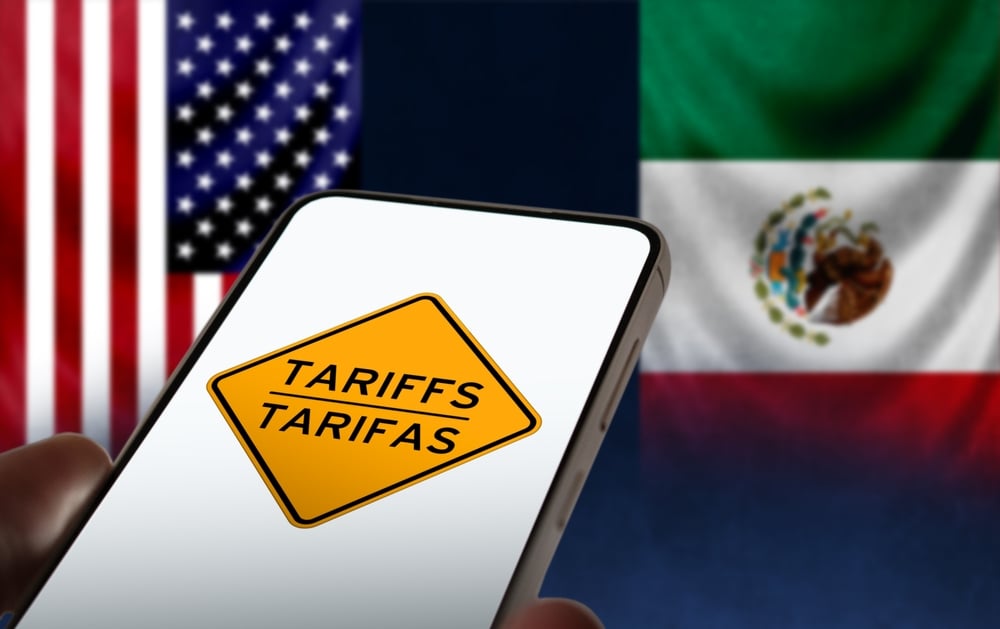
The tariff environment shifted more in the last 12 months than in the previous decade. Three developments in particular have reshaped the nearshoring calculus.
The Supreme Court narrowed presidential tariff authority. On February 20, 2026, the U.S. Supreme Court struck down the 25% IEEPA tariff on Mexican imports. The administration pivoted to Section 122 of the Trade Act of 1974, imposing a 10% surcharge (with a signaled increase to 15%, though no formal proclamation has been issued). Section 122 has a statutory limit: the tariff expires after 150 days, approximately July 24, 2026, unless Congress acts.
USMCA utilization nearly doubled. Before the IEEPA tariff hit in March 2025, only about 45% of eligible U.S.-Mexico trade used USMCA preferences. When a 25% surcharge suddenly applied to non-qualifying goods, manufacturers scrambled to do the compliance work. By November 2025, utilization had climbed to approximately 89%, according to U.S. Trade Representative data. That behavioral shift appears permanent. Among export-oriented manufacturers operating in Mexico, roughly 85% of goods shipped to the U.S. now qualify under USMCA.
China's tariff exposure keeps growing. The effective tariff rate on Chinese goods reached 33.4% by December 2025, according to the Penn Wharton Budget Model. Product-specific rates run much higher: lithium-ion batteries at 25%, steel and aluminum above 50%. Section 232 country exemptions were eliminated in March 2025 and raised to 50% for all countries in June 2025.
For the complete tariff breakdown, including IMMEX mechanics and IVA certification requirements, see our detailed tariff analysis.
The net effect: the tariff gap between Mexico and China has widened significantly. But tariffs alone don't make a nearshoring decision. The operating economics are what determine whether the numbers actually work.
The Real Economics: What Manufacturing in Mexico Actually Costs
This is where most nearshoring content goes thin, relying on national averages or outdated benchmarks. The reality is that costs vary dramatically by region, by position, and by how an operation is structured.
Labor: the headline number and what's behind it
The comparison that gets cited most often is directional but incomplete:
| Position | Mexico | United States (Texas) | China |
|---|---|---|---|
| Assembly worker (fully fringed) | $6.51/hr | $31.59/hr | $7.87/hr |
| Entry-level engineer (monthly) | $2,659 | $7,761 | $2,933 |
Those figures represent averages. The actual cost depends heavily on region. Fully fringed assembly wages in Mexico range from approximately $5.66/hour in central states to $7.84/hour in the northern border region. For skilled positions like maintenance technicians, the range is $7.61 to $11.01/hour.
The labor cost advantage is real. But cost alone is not why the labor picture in Mexico is structurally different from the U.S. or China. The more important factor is availability.
Mexico's population has a median age of 29. The working-age population is growing and will continue to grow for the next decade. Manufacturing is a popular career path. In the United States, the median age is 39, population growth is driven primarily by immigration, and only about 30% of workers express interest in manufacturing. In China, the median age is 40, the population has been shrinking for three consecutive years, and manufacturing is becoming less popular as a career choice.
This demographic reality underpins every nearshoring decision that has staying power. For a deeper analysis of why labor availability, not just cost, is the structural advantage most executives underestimate, see our labor analysis for 2026.
Beyond labor: facilities and logistics
Industrial real estate in Mexico ranges from approximately $0.45 to $0.80 per square foot per month (triple net), depending on region. Vacancy rates are tight in border cities like Tijuana (2.73%) but more available in interior locations. For context, comparable manufacturing space in Texas typically runs $0.85 to $1.20/sq ft/mo.
Electricity averages approximately $0.117 per kWh for industrial users, competitive with most U.S. states and significantly below the $0.13–$0.17 range common in the Midwest and Northeast.
Shipping costs and transit times are where Mexico's proximity advantage becomes tangible. Average freight cost to Chicago runs approximately $1.84 per cubic foot from Mexico versus $3.66 from China. Transit time is 2 days versus 36. That's not just a cost difference; it's an inventory carrying cost difference, a responsiveness difference, and a supply chain risk difference.
For the full cost breakdown, including payroll taxes, government benefits, utilities, and common underestimated expenses, see our cost of manufacturing guide.
The Timeline Nobody Publishes
One of the most common questions from executives evaluating Mexico is some version of "how long does this actually take?" Most published content avoids the question entirely. Here's what the process typically looks like.
| Phase | Duration | What Happens | What Determines Speed |
|---|---|---|---|
| Evaluation | 4–8 weeks | Site visits, cost modeling, location comparison, entry strategy selection | Clarity on product, volume, and headcount targets |
| Setup | 4–12 weeks | Facility build-out, equipment install, IMMEX registration, recruiting, permits | Entry model: shelter/campus (30–60 days) vs. standalone (8–12 months) |
| Ramp | 8–24 weeks | Training, process validation, quality stabilization, supply chain integration | Process complexity and workforce skill requirements |
The ramp phase is the one most executives underestimate. The physical setup is rarely the bottleneck. Getting a workforce trained to production standards on a new process line, with consistent quality, is what determines how fast an operation reaches full capacity.
When Nearshoring to Mexico Makes Sense (and When It Doesn't)
Every nearshoring article says Mexico is a great option. Fewer are willing to say when it isn't. Here's the framework that actually matters.
You need people now and in the future. If your production depends on manual labor, semi-skilled assembly, or technical operators, and you're struggling to hire or retain in the U.S., Mexico's workforce demographics are your strongest structural advantage.
Labor cost is a meaningful share of your COGS. Even at a 25% tariff, Mexico remains cheaper than the U.S. for labor-intensive operations. The breakeven point is approximately 43%.
Transportation cost or time matters. If you're serving North American markets and currently sourcing from Asia, the 2-day transit advantage and lower freight costs compound over time.
You have tariff exposure on Chinese imports. With effective rates above 33% on Chinese goods and Section 232 duties at 50% on steel and aluminum, Mexico's USMCA access provides a meaningful offset.
You don't have proprietary manufacturing expertise to transfer. Mexico's value proposition is executing your process at your quality standards at a lower cost. If the manufacturing knowledge doesn't exist within your organization, Mexico doesn't solve that problem.
Your raw materials or sub-processes aren't available. Mexico's supplier base is growing but still smaller than China's in some categories. If critical inputs aren't accessible in Mexico or the U.S., landed costs can erode labor savings.
Labor and shipping costs are already low. If you're producing a capital-intensive, highly automated product where labor is under 10% of COGS and you're near your customers, relocation may not justify the savings.
Hiring isn't your constraint. If your U.S. operations are fully staffed with low turnover, the labor argument weakens. Mexico's urgency is proportional to your hiring difficulty.
Mexico vs. China: The Comparison That Actually Matters
The majority of nearshoring inquiries involve some version of the China question. Here's how the two manufacturing environments compare across the factors that drive real decisions.
| Factor | Mexico | China |
|---|---|---|
| Fully fringed assembly labor | $6.51/hr | $7.87/hr |
| Shipping to Chicago (per cu ft) | $1.84 | $3.66 |
| Transit time to U.S. markets | ~2 days | ~36 days |
| Standard work week | 48 hours | 40 hours |
| U.S. tariff exposure | 10% Section 122 (USMCA-qualifying: 0%) | 33.4%+ effective rate |
| IP/legal framework | Civil law, USMCA protections | Variable enforcement |
| Time zone alignment with U.S. | Same or ±1–2 hours | 12–15 hours |
| Workforce trajectory | Growing, young (median age 29) | Shrinking, aging (median age 40) |
| Free trade access | 14 FTAs covering 50+ countries | Limited bilateral agreements |
The numbers favor Mexico on most dimensions. But the decision isn't purely numerical. Companies with deep existing supplier relationships in China, products requiring specialized manufacturing clusters (certain electronics, rare earth processing), or operations serving Asian end markets may find the China infrastructure difficult to replicate.
What We're Seeing Across Manufacturing Operations
Without disclosing specifics about any individual operation, the patterns across the broader manufacturing landscape in Mexico in early 2026 are worth noting.
The dominant theme is expansion, not retreat. Despite 18 months of tariff uncertainty, manufacturers already operating in Mexico are growing. The reasons vary, but the most common ones are consistent: Mexican customers have become critical to their business, Mexico is essential to their global supply chain strategy, and the cost structure absorbs tariff exposure better than any realistic alternative.
New entrants are moving forward too, but with different motivations. The U.S. labor shortage is the most frequently cited driver, followed by global market access through Mexico's FTA network and the need for a China alternative. Interestingly, companies that paused their Mexico evaluations during the peak IEEPA uncertainty in 2025 are returning now. The Section 122 outcome, while imperfect, provided enough tariff clarity for capital allocation decisions.
How Manufacturers Enter Mexico
There are four primary entry strategies for manufacturing in Mexico, each with different trade-offs on liability, control, investment, and risk.
| Joint Venture | Acquisition | Incorporation | Shelter | |
|---|---|---|---|---|
| Liability | Shared | High | High | Low |
| Operational control | Shared | Full | Full | Full |
| Capital investment | Shared | High | High | Low |
| Primary risk | Partner alignment | Availability | Management complexity | Operational execution |
| Typical timeline | 6–12 months | 3–6 months | 8–18 months | 3–5 months |
The shelter model has become the most common entry point for manufacturers new to Mexico. It eliminates the need to incorporate a Mexican legal entity, handle employer-of-record responsibilities, manage import/export compliance, or navigate tax and regulatory filings directly. The manufacturer retains full control of production, quality, and intellectual property. The shelter entity handles the Mexican administrative infrastructure.
This model works best when combined with a Manufacturing Campus, where industrial space, workforce systems, logistics infrastructure, and regulatory compliance operate as an integrated environment rather than services you assemble separately. The campus structure is what compresses timelines from 12+ months to as little as 30 days: the operationalization work is already done before the manufacturer arrives.
Under IMMEX, both shelter and standalone corporations can import raw materials and components duty-free for export manufacturing, access IVA certification, and operate within Mexico's preferential trade framework.
For a detailed comparison of shelter versus standalone structures, see our shelter services guide and our analysis of how these two models actually differ in practice. If you're evaluating shelter providers specifically, our overview of the six types of shelter companies breaks down the market.
Sector Realities: Where the Clusters Are
Mexico's manufacturing base isn't uniform. Different regions have developed specializations based on workforce skills, supply chain proximity, and historical investment patterns.
Automotive: Concentrated in the Northeast (Monterrey, Saltillo) and the Bajio (Queretaro, Guanajuato, San Luis Potosi). Deep Tier 1 and Tier 2 supplier networks. Subject to the most demanding USMCA rules of origin (75% RVC for passenger vehicles).
Aerospace: Strongest in the Northwest (Hermosillo, Guaymas) and the Bajio. Mexico is now the 6th largest aerospace exporter globally. Requires specialized quality certifications (AS9100, NADCAP) and longer training ramps.
Medical devices and electronics: Growing presence along the northern border (Tijuana) and expanding into interior regions. COFEPRIS registration requirements add regulatory complexity but also create a moat for manufacturers willing to invest in compliance. See our medical device manufacturing overview for sector-specific guidance.
Other manufacturing: Filtration, industrial controls, precision machining, consumer goods. Less concentrated geographically, which means more flexibility on location but also less established supplier infrastructure.
The right location depends on the intersection of sector fit, labor requirements, supply chain needs, and logistics to end customers. For manufacturers serving U.S. markets, the northern border and northeast regions offer the shortest transit times. For operations needing lower costs and larger labor pools, the Bajio and central regions are often more competitive.
Frequently Asked Questions
How long does it take to nearshore manufacturing to Mexico?
Under a shelter or Manufacturing Campus structure with an established operator, first production typically begins 3–5 months from initial engagement. This includes site selection, facility preparation, IMMEX registration, workforce recruiting, and initial training. Standalone incorporation with a new legal entity typically takes 12–18 months. The biggest variable is usually the ramp phase: training a workforce to meet production quality standards on a new process.
What does nearshoring to Mexico actually cost?
Fully fringed assembly labor ranges from approximately $5.66 to $7.84 per hour depending on region. Industrial space runs $0.45–$0.80/sq ft/mo triple net. Beyond those headline numbers, manufacturers need to model payroll taxes and benefits (approximately 35–45% above base wages), utilities, logistics, training, and the administrative overhead of operating in Mexico. Our cost guide breaks down each cost category.
Is nearshoring to Mexico still worth it with 2026 tariffs?
For USMCA-qualifying goods, the effective tariff is near zero. For non-qualifying goods, the Section 122 surcharge is 10% (with a pending increase to 15%), but this expires approximately July 24, 2026, unless Congress acts. Even under worst-case tariff scenarios, Mexico's labor cost advantage means operations remain cheaper than the U.S. until tariffs reach approximately 43% for typical labor-intensive manufacturing. The complete tariff picture is in our 2026 tariff guide.
What industries are best suited for nearshoring to Mexico?
Industries with significant manual labor content, North American customer bases, and supply chains that can be sourced within the USMCA region see the strongest returns. Automotive, aerospace, medical devices, and electronics are the most established sectors. However, any manufacturing operation where labor availability or cost is a primary constraint can benefit, provided raw materials and sub-processes are accessible.
What's the difference between nearshoring and using a shelter company?
Nearshoring is the strategic decision to move manufacturing closer to end markets. A shelter company is one of several entry strategies for executing that decision in Mexico. Under a shelter, the manufacturer controls production while the shelter entity handles Mexican legal, regulatory, HR, and import/export administration. Some shelter providers operate within a Manufacturing Campus model, where industrial space, workforce systems, logistics, and compliance infrastructure are already integrated, compressing launch timelines significantly. Other entry strategies include direct incorporation, acquisition, and joint ventures. There are also different types of shelter providers, each with different service models.
How does USMCA affect nearshoring decisions?
USMCA provides duty-free or preferential access for qualifying goods traded between the U.S., Mexico, and Canada. Products that meet the rules of origin requirements avoid the 10% Section 122 surcharge entirely. USMCA utilization rates surged from ~45% to ~89% in 2025 as manufacturers invested in compliance. The USMCA joint review scheduled for July 2026 will be the first formal assessment since the agreement took effect, potentially signaling adjustments to rules of origin.
Thinking about manufacturing in Mexico? Download this ebook and start moving your due diligence forward.

Subscribe
Sign up and stay informed with tips, updates, and best practices for manufacturing in Mexico.